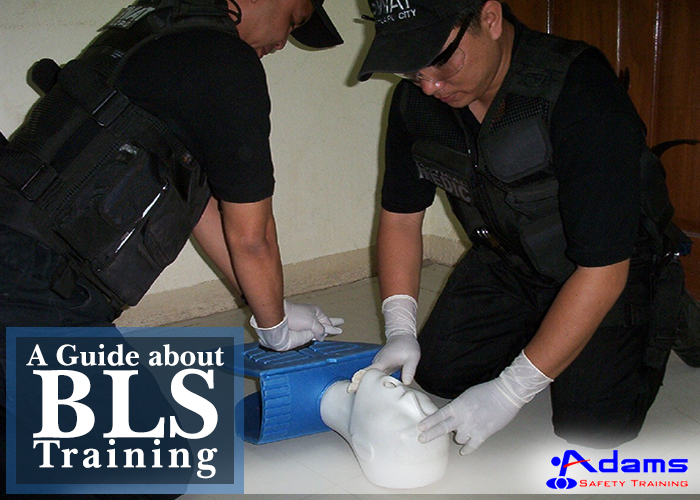
A Guide about BLS Training

BLS in general stands for Basic Life Support in contrast to Advanced Life Support. It denotes a level of care that patients will receive in an emergency situation in a wide variety of settings including in-hospital and out of hospital. A BLS training course generally covers oxygen administration, bleeding control, CPR (Cardiopulmonary Resuscitation) and splinting. This type of training course is particularly designed for professional rescuers including nurses, lifeguards, firefighters, paramedics, emergency medical technicians, respiratory therapists, physical and occupational therapists, medical or nursing students in training etc.
BLS-training

The American Heart Association BLS for Healthcare Provider Course provides CPR skills for helping patients of all ages. It also teaches how to use an Automated External Defibrillator (AED). The training course help healthcare professionals gain the ability to recognize various life-threatening emergencies, perform CPR, use AED and relieve chocking in a safe, timely and effective manner.

AHA BLS offers a relaxed, non-threatening class environment, an emphasis on teamwork, and small group practices. Join an American Heart Association BLS training class today and get your AHA CPR certification.
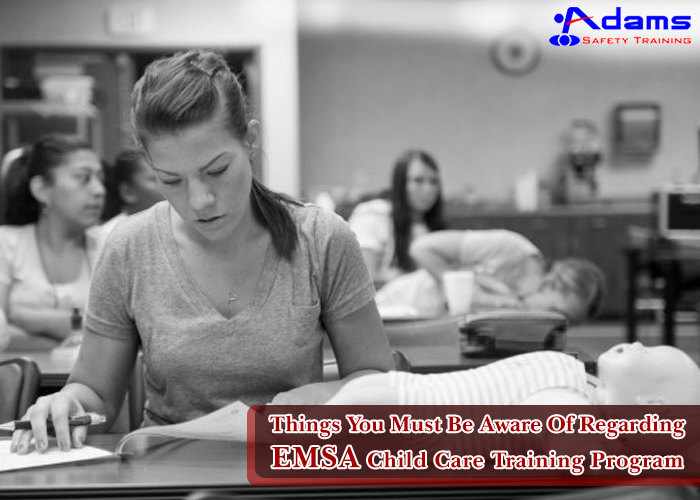
Things You Must Be Aware Of Regarding EMSA Child Care Training Program

EMSA or Emergency Medical Services Authority training program is specifically designed to help people (especially those who are involved in child care related jobs) to learn about the pre-hospital emergency medical care. It makes people learn about the basic knowledge and techniques to act promptly and accurately in case of emergencies.

EMSA-training

Whatever training program you are considering, make certain that it is approved by the State of California Emergency Medical Services Authority-EMSA. Though, the American Red Cross (ARC) and the American Heart Association do not come under EMSA, they are also required to provide the child care training as indicated by the EMSA standards. As per the EMSA standards, a training program should include 16 hours of training comprising First Aid and CPR Training (8 hours) and Preventive Health and Safety Training (8 hours).

CPR must be performed by someone who is well-trained in an accredited EMSA approved pediatric CPR course. In order to find an EMSA approved training center in your area or nearby region, you can go directly to the EMSA website and get the list of current child care First Aid, CPR, and Preventive Health and Safety Practices training programs.

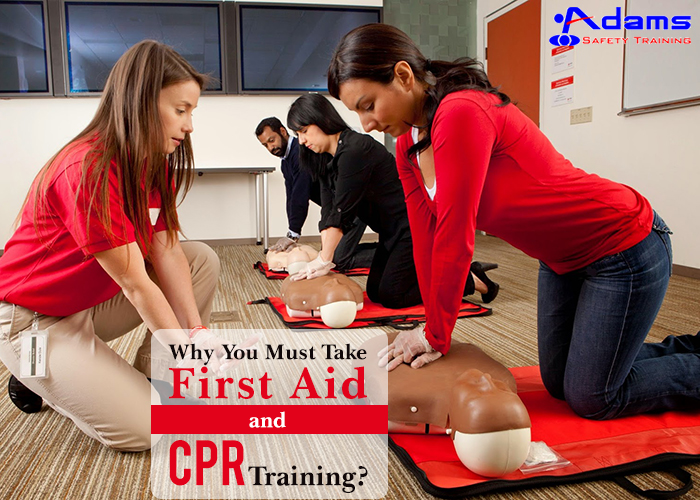
Why You Must Take First Aid and CPR Training?

Have you ever experienced a situation where a person is suffering from a sudden heart attack and you feel helpless as to what to do? You can save the life of a person in such life-threatening situation by giving him/her the right first aid and Cardiopulmonary Resuscitation (CPR). A proper CPR training will make you capable of handling emergencies confidently without getting frightened.

CPR-training

A CPR and First Aid training program generally covers introduction to initial assessment, setup (scene assessment), assessing responsiveness activating EMS, assessing airway, breathing and circulation, clearing and protecting the airway, chest compressions, one-rescuer CPR (adult), AED use, choking management, and more. Some of the key advantages of getting first aid and CPR training from a well-renowned training program include- easy-learning, low-stress environment, confidence building, hands-on practice, video scenarios in a wide array of settings, updated resuscitation guidelines, customized training, etc.

It is important to note that the basic emergency procedures that you’ll learn during your first aid and CPR training class will always be valuable. It is never too late to learn first aid and CPR training. If you have not enrolled yet for first aid and CPR training program then do it today and make yourself ready to save someone’s precious life.

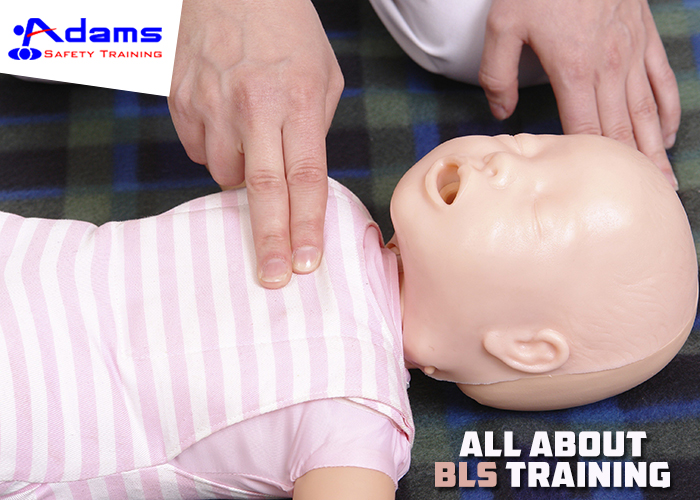
All about BLS Training

Basic life support (BLS) training is provided to individuals to teach them the basic level of medical care that can be used for victims of severe illnesses or injuries until they get a proper and full medical care at a hospital. BLS can be provided by trained medical personnel such as paramedics, emergency medical technicians and certified individuals.

BLS is basically designed for healthcare providers and trained first responders who provide a proper care to patients in wide variety of settings. A BLS training course helps to prepare the participants to identify various life-threatening emergencies quickly and provide immediate high quality chest compressions and deliver proper ventilations. A BLS training course teaches rescue techniques for adults, child as well as infants.

BLS Training

The other course contains usually involved in BLS training course include the importance of high-quality CPR and its impact on survival, identify the signs of someone necessitate CPR, execute high-quality CPR for adults, children and infants, importance of early defibrillation and use of an AED, use of a barrier device to deliver effective ventilations, technique for release of foreign-body airway hindrance (choking) in adults, children and infants, etc.

Important Guidelines Offered by AHA

AHA or American Heart Association is a non-profit organization in the United States, engaged in promoting proper cardiac care with intent to reduce disability and deaths caused by cardiovascular disease and stroke. AHA is a leading COR education and training organization that help people to understand the significance of healthy lifestyle choice. Some of the dietary and other lifestyle related guidelines offered by Aha include:

American Heart Association

For healthy eating pattern: For healthy eating pattern, AHA suggests that you must consume a variety of fruits, vegetables and grain products (including whole grains). Further, make sure to include fat-free and low fat dairy products in your diet including fish, poultry, legumes and lean meats.

For a healthy body weight: For a healthy body weight, AHA suggests that you must limit your consumption of foods containing high caloric density and low nutritional quality. Also avoid foods with a high content of sugars. Further, maintain a level of physical activity to achieve fitness.

For a perfect blood cholesterol and lipoprotein profile: To get a desirable blood cholesterol and lipoprotein profile, you must restrict the intake of foods with a high content of saturated fatty acids and cholesterol. Instead, you can eat grains and unsaturated fatty acids from vegetables, fish, legumes, and nuts.

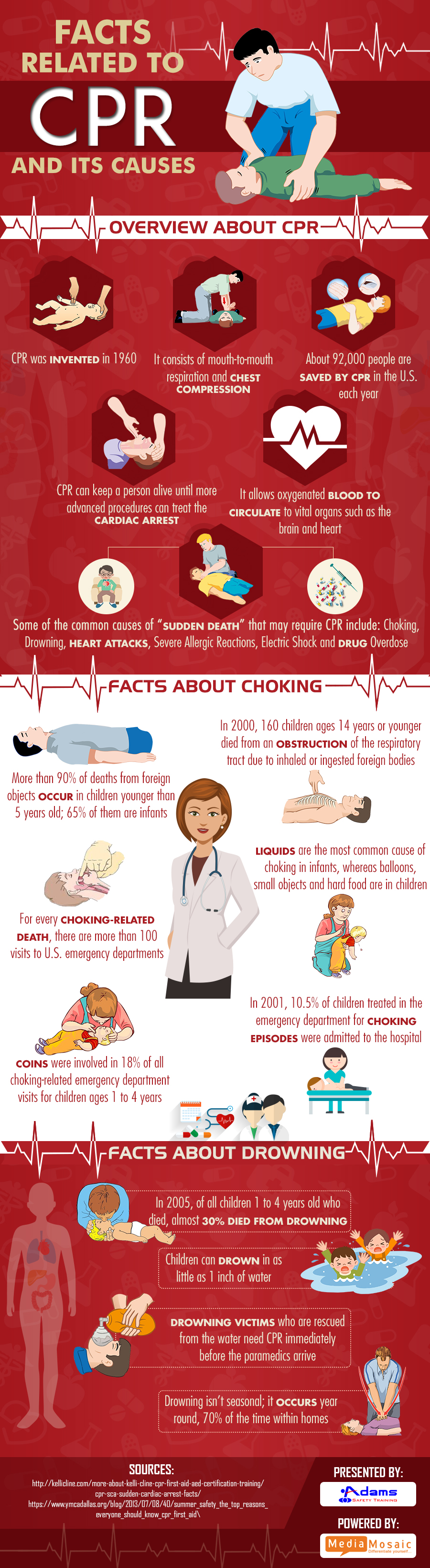
Key Facts to Know About CPR – Infographic

The infographic titled, “Facts Related to CPR and Its Causes”, describes all the important information about CPR (Cardiopulmonary Resuscitation). CPR was first invented in the year 1960. It basically consists of mouth to mouth respiration and chest compression. This medical procedure is generally conducted in medical emergencies. With the help of this life saving technique, around 92,000 people are saved each year in the United States.

Some of the critical conditions that may require performing CPR include chocking, drawing, heart attacks, severe allergic reactions, electric shock and drug overdose. CPR must be performed immediately on a person who has become unconscious and is found pulse less due to any of the above mentioned reasons.

When performed properly, CPR can help to keep a person alive till a professional help arrives and more advanced procedures are used to treat the cardiac arrest. CPR allows oxygenated blood to circulate to various vital organs of the body including brain and heart. To perform this technique successfully, you must be well-trained in CPR and certified from a renowned institution. For more details information about CPR, please refer the given infographic.

CPR Training

A Guide about CPR for Children – Infographic

The infographic titled, “CPR for Children”, describes all the important information regarding child CPR. Child CPR (Cardiopulmonary Resuscitation) is usually performed on children between 1 to 8 years of age. This lifesaving practice is performed when a child’s breathing or heartbeat has stopped.

Before giving child CPR, check the scene and the child. Make sure that the scene is safe, then tap the child on the shoulder and shout “Are you Ok?” to ensure that he or she needs help. If the child does not respond, ask a bystander to call 911 and administer about 2 minutes of care. Make certain that the child is lying on his or her back in order to open the airways. Also, tilt the head of the child slightly back and lift the chin.

Check whether the child is breathing or not. Listen carefully for no more than 10 seconds for sounds of breathing. If the child is not breathing, immediately deliver 2 rescue breaths. If the child is still unresponsive to the rescue breaths, begin CPR. For more details related to child CPR and how to perform it, refer the given infographic.

CPR for Children

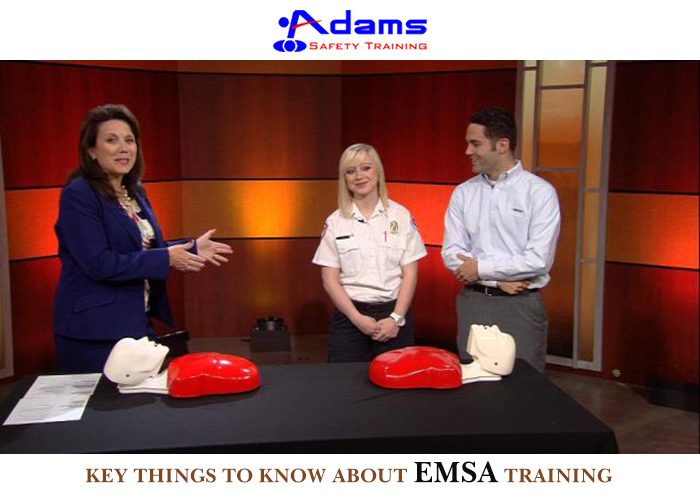
Key Things to Know About EMSA Training

EMSA or Emergency Medical Services Authority training generally covers primary and injury assessment, scene assessment and barriers, respiratory problems, choking management, illness assessment, spinal injuries, head injuries, fractures and dislocations, poisoning and allergic reactions, shock management, control of bleeding, diabetic emergencies and more.

EMSA training program is especially designed to help people learn about the pre-hospital emergency medical care. The training program is really helpful for people; especially those involved in child care related jobs to act promptly and accurately in case of an emergency situation.

First Aid & CPR Training

Make sure that whatever training program you are looking for (like preventive health and safety training program, pediatric CPR or a pediatric first aid training program), it must be approved by the State of California Emergency Medical Services Authority-EMSA. Even the American Heart Association and the American Red Cross (ARC) that do not come under EMSA, are required to provide the child care training as per the EMSA standards, which includes 16 hours of training consisting of First Aid & CPR Training (8 hours) and Preventive Health & Safety Training (8 hours).

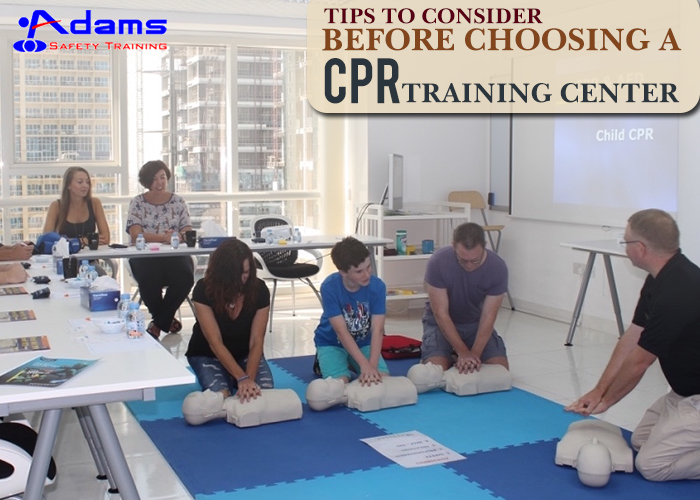
Tips to Consider Before Choosing a CPR Training Centre

Cardiopulmonary Resuscitation (CPR) and First Aid training is a must learn for everyone. CPR is strongly recommended as a life-saving measure. To become expert in CPR process, it is important to obtain all the required instructions and CPR practice under the guidance of a qualified instructor. Before choosing a CPR training centre, you must consider the below mentioned points in your mind:

CPR Training

Make sure the training centre that you choose, has been endorsed by a relevant body.

There are different courses available under CPR category such as the Automated External Defibrillator (AED) for adults, kids as well as infants, CPR classes for adults and the basic CPR classes. Depending upon your requirement choose the best course for you.

It is essential to ensure that the particular institution provides certification upon successfully completion of the course.

Make certain that the training is provided by competent instructors, holding valid certificates in CPR.

Make sure that the training centre provides all the required tools and dummies to give a practical knowledge of how to perform CPR properly.

Keep all the above mentioned tips in your mind before choosing any particular training centre to learn CPR.

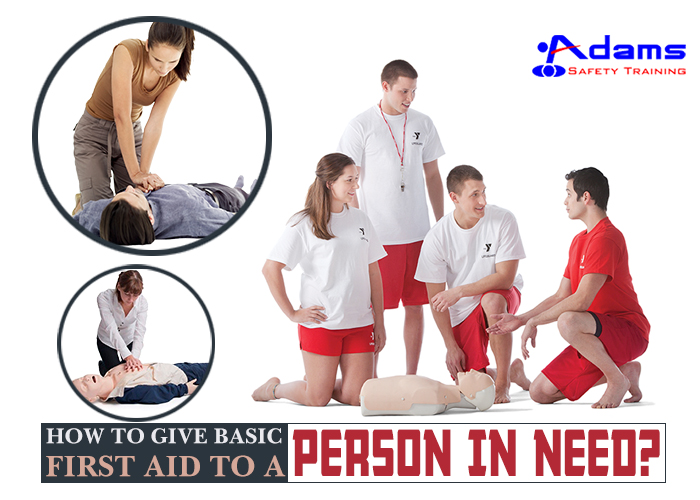
How To Give Basic First Aid To A Person In Need?

First aid is an important skill. By performing simple procedures and following certain guidelines, it may be possible to save lives by giving basic treatment until professional medical help arrives.

Remember in an emergency, there is no time to read instructions. First aid training teaches you some of the basic procedures which will help you react quickly and efficiently in case of some emergency situations. If someone stops breathing, see if the person replies if talked to or touched on the shoulder. In case you are alone, perform the following basic life support for one minute:

First Aid Training

Place the person on his/her back on the floor.

Tilt the head so that the chin is pointing upwards. Do this by placing the fingertips under the jawbone, then lift gently while pressing down softly on the person’s forehead. This is done to make sure the tongue is not blocking the throat.

Keep holding the head in this way while checking for breathing. Look if the chest is rising and falling, or place your ear next to their mouth to listen for breathing and feel breath on your cheek. Only check for 10 seconds.

If there is normal breathing, hold the hand as described above until medical help arrives.