Category Archives: CPR Certification

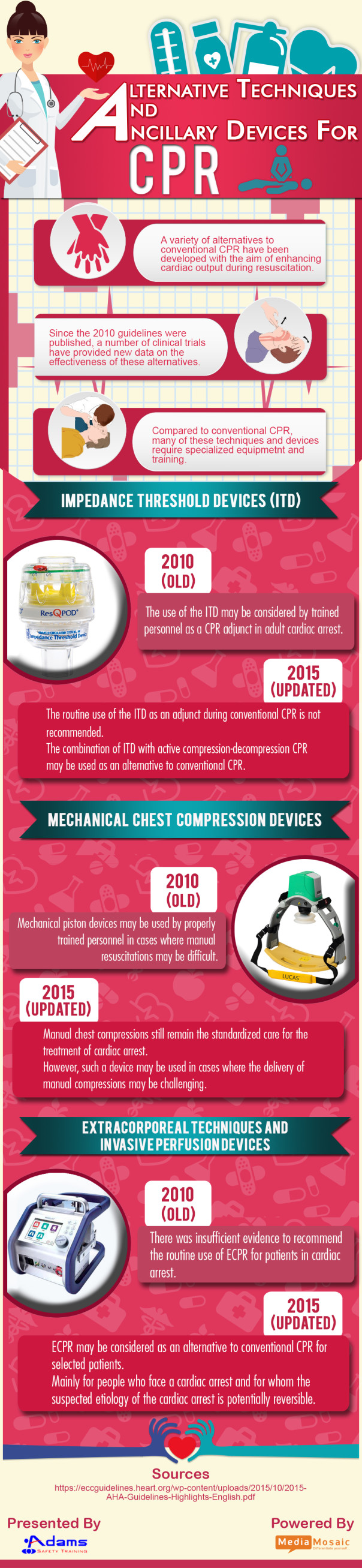
Alternative Techniques and Ancillary Devices for CPR – Infographic

Cardiopulmonary Resuscitation (CPR) is basically a lifesaving technique in case of an emergency situation. It is one of the most vital part of any first aid course that helps in keeping a person alive for a longer period of time till he/she receive a medical treatment. CPR technique is something that everyone should know how to do. CPR technique can be very helpful in a number of situations such as in case of a massive heart attack, when someone has been drowning or in case of a drug overdose, etc. This technique is very effective in an array of different emergency situations.

The most common way of performing CPR generally includes 30 chest compressions and 2 deep breaths, after that, again chest compressions and 2 more deep breaths. This process is maintained unless proper help arrives. However, the person who is performing the CPR must know how to do it properly otherwise it will be of no use. Further, there are many devices that are being used for CPR purpose.

Over the years, a variety of alternatives to conventional CPR have been developed with an aim of enhancing cardiac output during resuscitation. Several techniques and devices, which are used nowadays for CPR, need specialized training and equipment as compared to conventional CPR. For instance, Impedance Threshold Device (ITD), Mechanical Chest Compression Device, and Extracorporeal Techniques and Invasive perfusion devices are some of the most common devices that are used as an alternative to conventional CPR.
 

CPR, First aid training is “essential” for parents

Do you know what to do in a situation when your child has swallowed something toxic? What you’ll do if your child is not breathing properly? Accidents are obvious when children grow up. Parents should always remain prepared to handle unexpected medical emergencies. CPR and first aid training courses help parents understand about basics of life-saving procedures.

What are the important elements of CPR training classes?

CPR classes give parents some background knowledge about CPR including when it should be done and how it is performed. A detailed pediatric CPR course provides the correct technique of performing CPR on infants or child to increase the chance of survival.

How first aid training can help make a difference?

In an emergency situation, you cannot wait for medical professionals to arrive and attend your injured child. First aid treatment knowledge can make a difference between life and death for a victim. With a background in first aid training, parents can provide necessary medical care in a life-threatening situation until medical technicians arrive.

CPR/first aid training is “essential” for parents

First aid and cardiopulmonary resuscitation (CPR) skills help parents gain more knowledge about how to respond to emergencies. These safety training courses provide them confidence to handle emergency situations. So, CPR/first aid training is “essential” for parents.

OSHA Training Program : Things to Know – Infographic

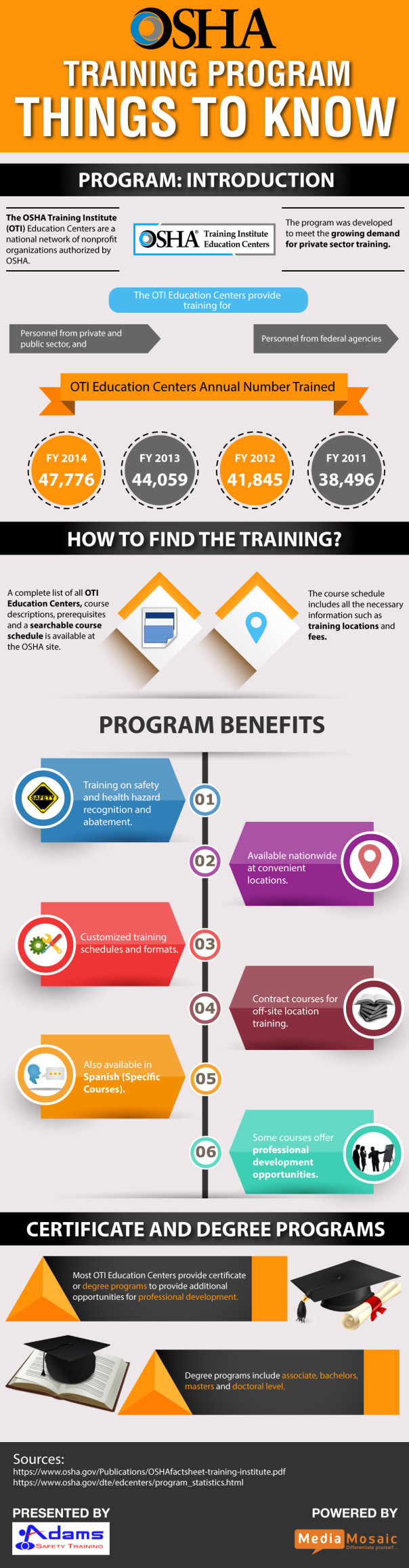
The given Infographic throws light on key features of OSHA’s training institute education centers which are a network of non-profit organizations authorized by the same. OSHA training program was initiated to meet the demands for private sector training. The OSHA Training Institute (OTI) education centers provide training to public sector and private sector personal and employees working in federal agencies.

There has been constant increase in the number of personals trained by OTI Education centers every year. Finding OTI Education centers is easy. The OSHA site contains a full-fledged list of all OTI Education centers, course descriptions, prerequisites and a searchable course schedule. Other necessary details like course schedule and fee structure is also available on the OSHA website.

The OSHA training program offers many benefits. Training on safety and health hazard recognition and abatement is a part of the training. This training is available nationwide at all convenient locations. You can avail the benefit of customized training schedules and formats. Spanish students have a reason to smile as certain courses are available in Spanish. Your career can take a new leap with the professional development opportunities available through this course.

Most of the OTI education centers are offering certificate or degree programmes promising additional opportunities for professional development. OSHA training degree programs include associate, bachelors, masters and doctoral levels.

Which is the right CPR Certification Training Program for you

Medical personnel like doctors, nurses and laboratory technicians working anywhere may be required to perform CPR as a part of their duties. This video will help you know about the essentials to be kept in mind before choosing an approved CPR certification training program for yourself.

EMSA (Emergency Medical Services Authority) of California is responsible for paramedic licensure, emergency medical technician regulations, trauma center and trauma system standards, ambulance service coordination, and disaster medical response. Before attending CPR training make sure that it is EMSA approved or exempted.

Exempted training programs include the following courses:
•    American Health Association pediatric first aid and pediatric CPR
•    American Red Cross pediatric first aid and pediatric CPR
•    Courses offered by accredited colleges and universities

Gathering information like name of the instructor and the training program is important. Before taking CPR training you should call to inquire whether the course you are doing is a certified program and if the instructor is approved.

Visit the EMSA website (www.emsa.ca.gov) to get a list of training approved programs.

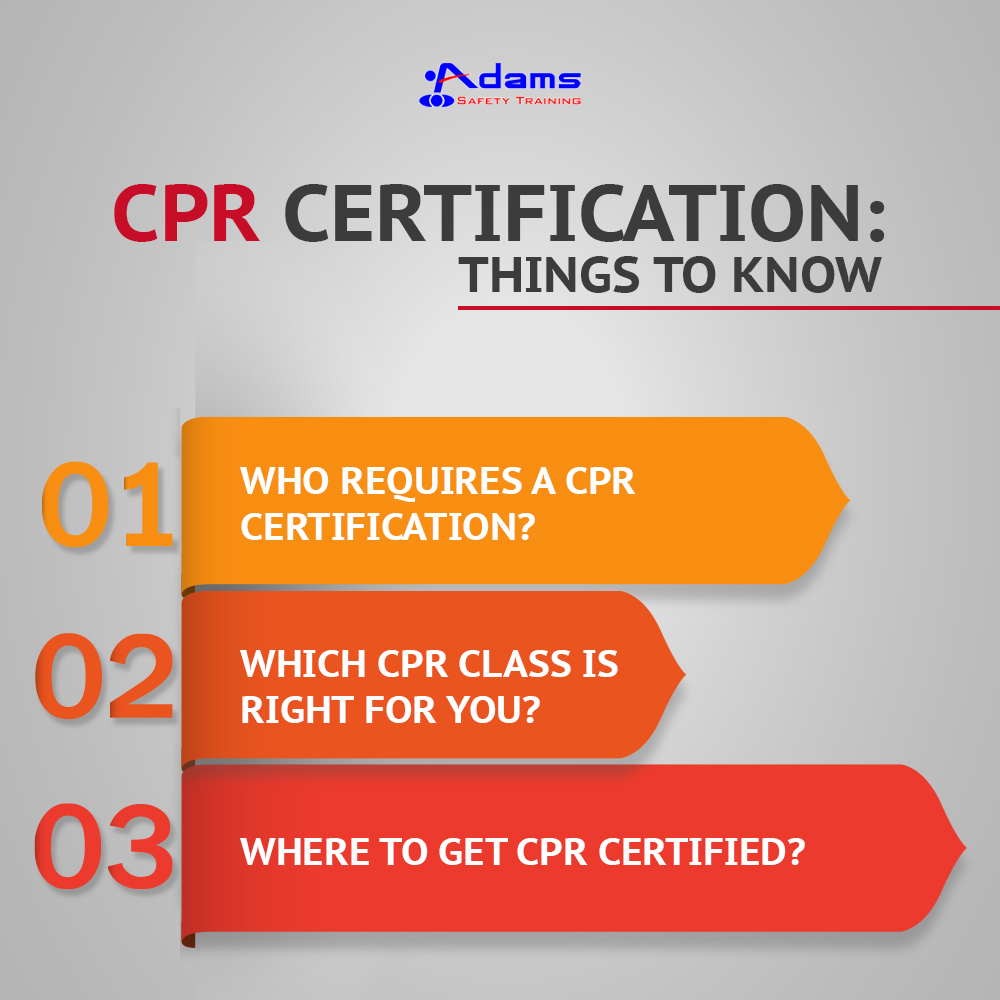
CPR Certification: Things to Know

Cardiopulmonary resuscitation (CPR) training is the most basic of all medical training classes. CPR is a life-saving procedure which is used in an emergency situation when a person is unresponsive or not breathing. Since emergencies and accidents strike anytime, anywhere, people take up CPR certification courses to save lives. Before you take up a CPR class, here are a few things you need to know about CPR certification:

Who requires a CPR certification?
Hospitals, workplaces, schools, and certain organizations need their employees to be certified in CPR as they may be required to perform CPR during the tenure of their duty. The list includes doctors, nurses, emergency medical technicians, teachers, child care professionals, fire safety personnel, and health workers. Besides this, general public should also attend CPR training classes so that they can help someone in case of emergency.

Which CPR class is right for you?
If you’re planning to get certified in CPR, you should choose the right CPR class that meets your basic and employment needs. For example, AHA Basic Life Support for Healthcare Providers is an advanced CPR class, which is suitable for anyone involved in the healthcare industry, while Heart Saver CPR and AED training is geared towards people in non-healthcare industry.

CPR Certification & CPR Classes

Where to get CPR certified?
Various hospitals, organizations, and fire safety department provide CPR certification course. You can contact your local CPR training provider which offers traditional classroom CPR classes and blended courses. CPR certification is valid for two years, after which you need a simple re-certification.

Whatever your reasons for taking up CPR certification, it is a good idea to help victims when they need it the most.

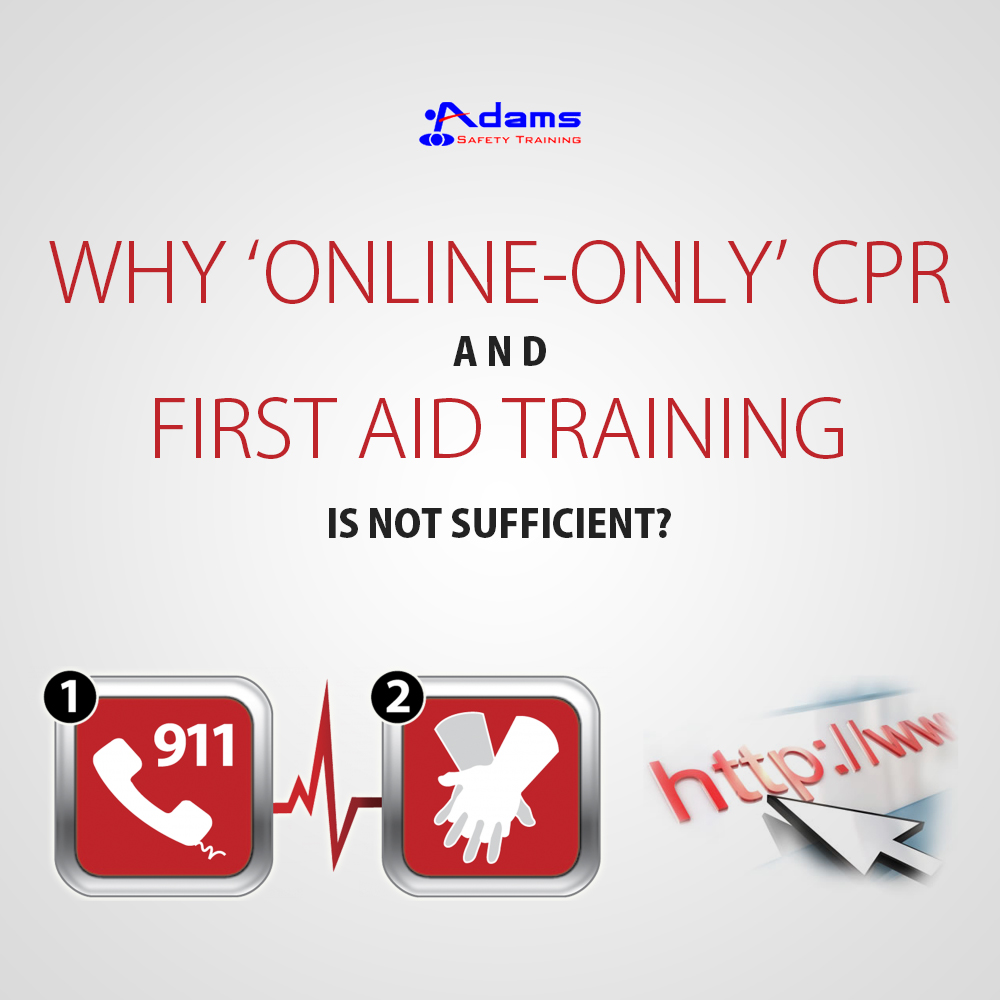
Why ‘Online-only’ CPR and first aid training is NOT SUFFICIENT?

You search on the Internet for ‘online CPR/safety training’, and you will find a number of organizations offering instant CPR courses at half the cost of traditional CPR classes. Busy professionals who are required to hold certain safety certifications often opt for online-only courses. However, the fact is that online-only CPR/first aid certification is not accepted by any government or regulatory agency in the United States.

Recently, Occupational Safety and Health Administration (OSHA) has issued a statement to its compliance officers (inspectors) stating that online training alone does not meet OSHA first aid and CPR training requirements. Only computer-based training in CPR and first aid techniques is NOT SUFFICIENT and would result in a Serious Violation of the OSHA regulations. OSHA believes that safety training programs need to be comprehensible and should include traditional classroom-based training, audiovisuals, classroom interaction, and interactive video. Only workplace training in subjects that are not related to safety (or when employee safety is not at risk) may be acceptable via computer-based technologies.

Why ‘Online-only’ CPR and first aid training is NOT SUFFICIENT?
No major nationally recognized training program or reputed training providers in the U.S. endorse online-only certifications without evaluating hands-on skills of participated candidates. So online safety certifications are not legitimate and one should attend traditional classroom training classes in order to get certified in CPR and first aid.

Skills learned in a first aid training class may need to be used on a friend or family member during an emergency situation. In-person instruction and hands-on evaluation are necessary to perform CPR correctly on a victim when required.

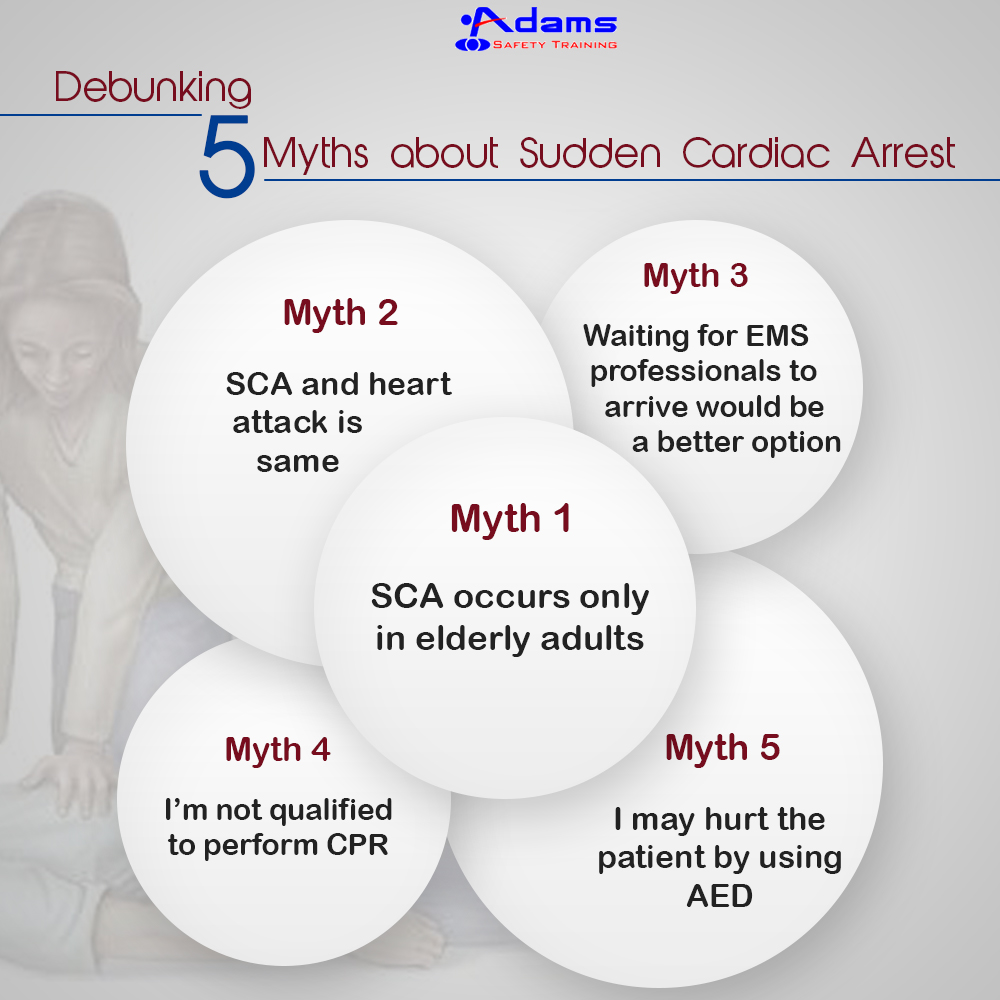
Debunking 5 Myths about Sudden Cardiac Arrest

Sudden cardiac arrest (SCA), the leading cause of death in the U.S., affects nearly 326,000 people of all ages in the U.S. every year. More than 65% of Americans underestimate the seriousness of SCA. They believe SCA to be a type of heart attack. There are five common myths about SCA that act as a barrier to bystander action.

•    Myth #1: SCA occurs only in elderly adults: SCA occurs in all age groups including the senior people, athletes and teenage group.
•    Myth #2: SCA and heart attack is same: Heart attacks generally occur in individuals with an existing heart condition. In SCA, victims lose consciousness immediately, which can cause brain damage if not treated within first few minutes. However, in heart attack, patient has a chance to arrive at a hospital for receiving treatment.
•    Myth #3: Waiting for EMS professionals to arrive would be a better option: EMS professionals generally take in an average 11 minutes to arrive at the emergency site. Bystander intervention before they arrive may make a difference between life and death for the victim.
•    Myth #4: I’m not qualified to perform CPR: SCA victim’s chance of survival increases with cardiopulmonary resuscitation (CPR). People can take CPR training course or learn hands-only CPR to save a life during emergency. During the National CPR/AED Awareness week in June 2015, the American Heart Association encouraged all Americans to learn and use hands-only CPR if they have difficulty remembering conventional CPR.
•    Myth #5: I may hurt the patient by using AED: Though AEDs are complicated instruments but not difficult to operate once you’re trained in it. A SCA patient must be revived within 5 minutes using AED in order to avoid brain damage.

Myths about Sudden Cardiac Arrest
October is the National Sudden Cardiac Arrest Awareness Month, dedicated to educating public about what SCA is, myths to be avoided, and how to respond in a SCA emergency. Get trained in CPR and support the community during the SCA Awareness Month.

National Preparedness Month is coming: Get ready!

National Preparedness Month, sponsored by the Federal Emergency Management Agency (FEMA), is observed every year in the month of September in the U.S. FEMA aims to empower and educate Americans to respond to all types of emergencies and disasters throughout the National Preparedness Month. Emergencies can happen anywhere, anytime, so it’s very important for you to prepare yourself for an unexpected emergency. Here’s how you can support FEMA in its emergency preparedness efforts:

•    Be aware of emergencies: Keep yourself and family members aware of different emergencies that may affect you. Access the website www.ready.gov to know what’s important for you and others when an emergency might occur.

•    Get an emergency supply kit: A basic emergency kit should include first aid supplies and food & water in sufficient quantity for at least 72 hours.

•    Make a family emergency plan: Discuss and identify the responsibilities of each family member about how to respond to emergencies while at home, work or public places. By having an emergency preparedness plan you save time and life during real situations.

•    Get trained: At least one member of your family should be trained in first aid and CPR. This will help you improve your response level during and after an emergency.

National Preparedness Month is coming: Get ready!
This September, as part of National Preparedness Month, all Americans are encouraged to take actions, develop an emergency plan, and get involved with the community for emergency management.

Assessing pain using ‘SOCRATES’ rule

Taking a history from a patient suffering from acute or chronic pain is necessary for correct examination and providing medical care. To identify and characterize the pain symptoms, EMTs or doctors can use SOCRATES rule. SOCRATES is a mnemonic acronym used by emergency medical services and other health professionals to evaluate the nature of pain experienced by a patient following an accident.

•    Site: Ask the patient where is the pain? What body part/parts are involved? By identifying the site of pain, you can easily make diagnostic decision.

•    Onset: When did the pain start? Ask whether the pain is sudden, rapid or more gradual one.

•    Character: Ask the patient to describe the pain. Is it sharp, dull, sore or stabbing?

•    Radiating: Does the pain spread into other areas of the body? For example, if the pain is radiating from back to the arms and legs, then the patient may require surgery.

•    Associated symptoms: It may happen that the patient experiences other symptoms such as nausea or vomiting with the pain.

•    Timing: This is different from the onset of pain. Ask the patient when did he/she feel the pain most? Is it constant or does it happen at specific time of the day? Whether a certain movement is elevating the pain?

Assessing pain using ‘SOCRATES’ rule
•    Exacerbating and relieving factors: What makes the pain better or worse? Sometimes, certain physical position or medication can relieve the pain.

•    Severity: The patient should be asked to give a number to the pain on a scale of 0–10, wherein 0 being the lowest and 10 being the most severe pain experienced. Emergency medical professionals with first aid and CPR certification are better able to use the SOCRATES rule in assessing pain.

Understanding steps and importance of AHA Hands-Only CPR – Video

Most people, who experience sudden cardiac arrest (SCA) at home, work or in a public location, die because they don’t receive immediate CPR from bystanders at the site. As a first responder, now you can help a person in a SCA emergency with the help of this video. The video explains the two steps of hands-only CPR that can help rescuers save lives during SCA emergencies.

Hands-Only CPR is CPR without mouth-to-mouth breaths. The American Heart Association has recommended this CPR procedure for use in people who collapse suddenly in an ‘out-of-hospital’ setting. The two steps of Hands-Only CPR can increase the patient’s chance of survival. The two simple steps are: First – Call 9-1-1 and provide accurate information to the 911 dispatcher. Second – Provide chest compressions to the patient at a rapid rate of 100 compressions per minute. If the hands-only CPR technique is still not clear to you, check out this video to understand how to do this type of resuscitation.